
Principal’s Desk
Sydney J. Harris, the renowned 20th-century American journalist, once said, “The whole purpose of education is to turn mirrors into windows.”
If we read this statement carefully, “mirrors” metaphorically represent borrowed perspectives about life, while “windows” signify the outlet through which we can look at life directly and form our own understanding. Ultimately, what education really means is preserving one’s individuality and original thought while simultaneously acquiring knowledge about the world and learning from multiple points-of-view.
The famous philosopher and thinker George Santayana has said, “A child educated only at the school is an uneducated child.” In today’s fast-moving world, where trends and ideas change so quickly, schools cannot afford to limit themselves to the prescribed curriculum alone. Children today are exposed to the wider world through social media and the internet, and there is a real hunger in them to learn more.
This is not to say that the prescribed curriculum becomes insignificant or useless. The traditional chalk-and-duster method, the lecture method — all these time-tested approaches remain beneficial. Reading is still very important, and writing and speaking are still essential skills that a child must acquire. As Francis Bacon has said, “Reading maketh a full man, conference a ready man, and writing an exact man.”
I have always believed that education is a journey — from noise to silence, from knowledge to wisdom. It is a journey of self-discovery. Different children express themselves in different ways, and as teachers, it is our duty to encourage them not only to learn but also to express their thoughts and feelings.
In a school, and particularly inside a classroom, it is not just the student who is learning. The teacher standing there also learns a great deal from the students. Learning is a deeply dynamic activity, and a school is a vibrant playground of thoughts, emotions, and expressions. Teachers who love teaching, teach children to love learning.
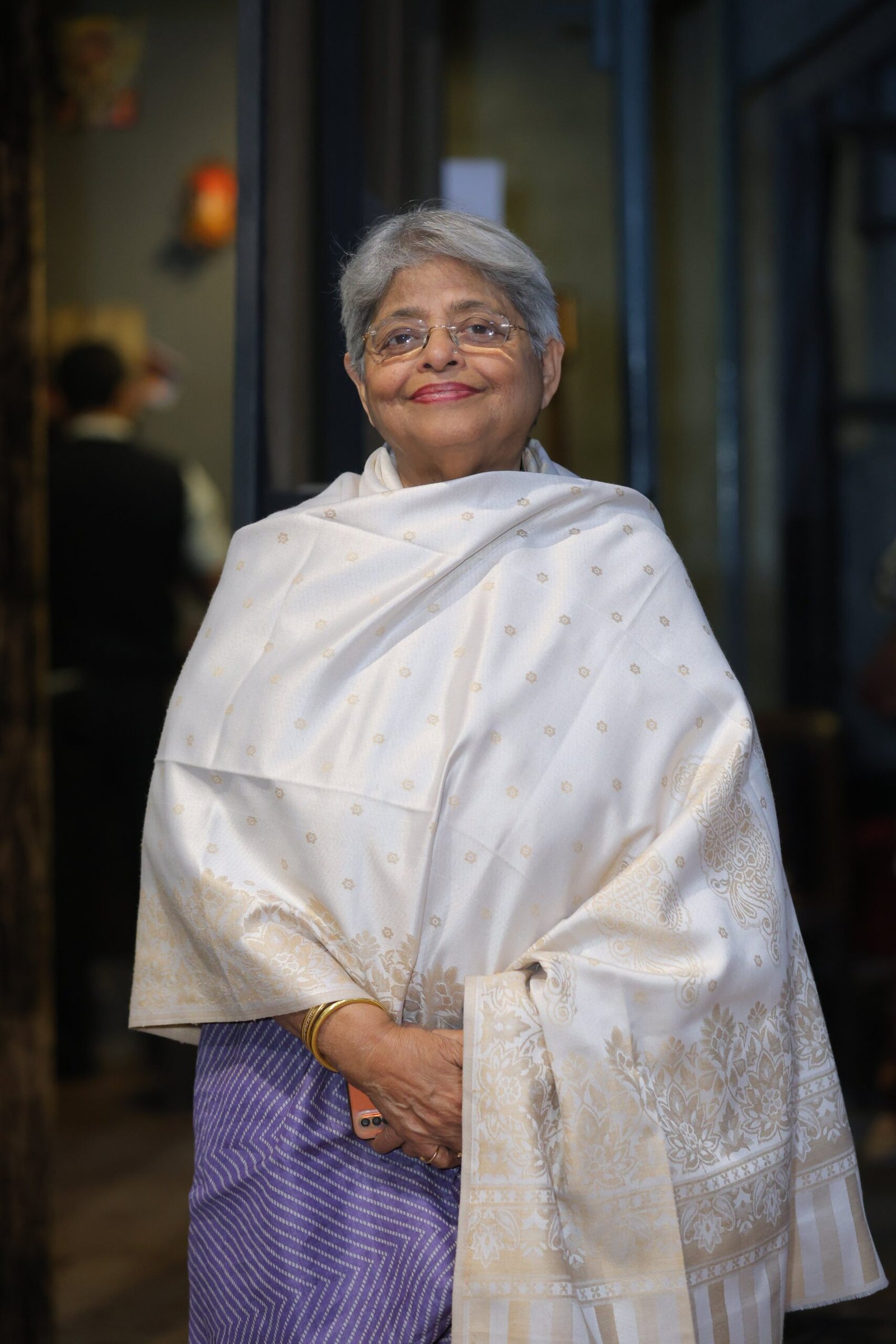
Mrs. Usha Singh
Principal
Simla Street
Empowering Young Minds: Nurturing Tomorrow Leaders
Empowering children to become better individuals involves a comprehensive approach that nurtures their physical, emotional, and intellectual well-being. Firstly, fostering a supportive and loving environment is essential for building a strong foundation. This includes providing a secure home and encouraging positive relationships with family members and peers.
Education plays a crucial role in shaping a child’s character. Beyond academic knowledge, it is important to instill values such as empathy, kindness, and integrity. Teachers and caregivers serve as role models, demonstrating these values in their actions and interactions. Creating a school environment that promotes inclusivity and celebrates diversity helps children to develop a sense of tolerance and acceptance.
Encouraging children to express themselves and actively listening to their thoughts and feelings is vital. This fosters communication skills and self-awareness, allowing them to navigate their emotions and relationships more effectively. Teaching problem-solving tactics and resilience equips children with the tools to face challenges and setbacks with a positive mindset.
Moreover, exposing children to various experiences, cultures, and perspectives broadens their understanding of the world. This exposure encourages open-mindedness and helps children appreciate differences, ultimately contributing to a more compassionate and globally aware mindset.
Ultimately, empowering children involve recognizing their individual strengths and interests, providing them with opportunities for personal growth, and instilling a sense of responsibility for their actions. By emphasizing character development alongside academic achievement, we can inspire children to become better individuals who positively impact their communities and the world at large.
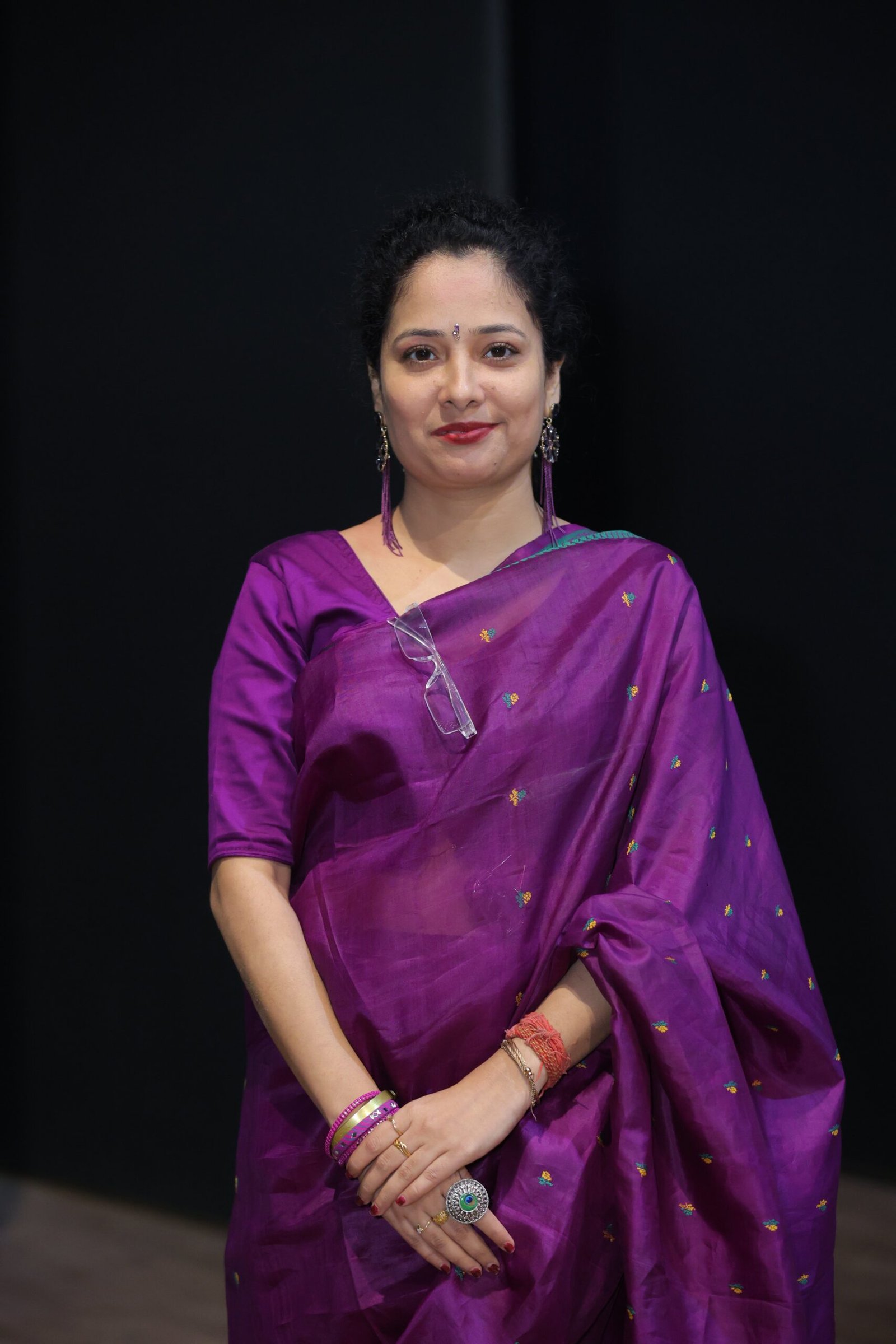
Mrs. Puja Mehra
Principal
Rajdanga